

Introduction
The budget you set aside for purchasing a server does not always define its actual capacity. It may sound surprising, but this is often true in VPS hosting. Many businesses spend extra money on expensive servers, thinking higher prices always mean better performance. However, hosting works differently. The right choice depends on your website’s needs, traffic level, storage demand, and performance expectations. A good hosting solution should balance affordability, speed, security, and reliability. Many providers offer low prices, but their performance may not meet business requirements. In contrast, a well-optimized VPS plan can deliver fast, secure, affordable, and dependable hosting performance.
Understanding VPS Hosting Essentials
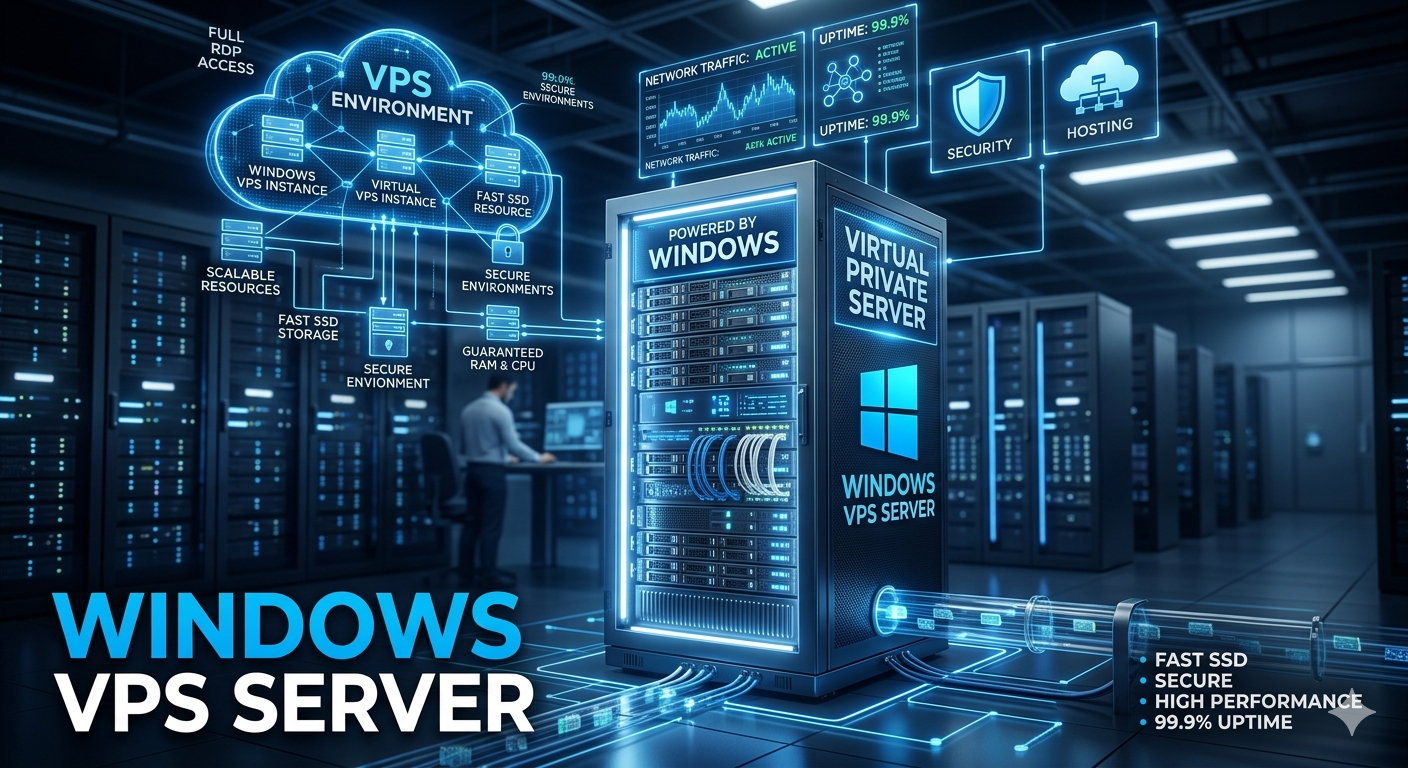
Hosting via VPS can seem difficult, but it is not. Hosting on VPS means using a virtual machine on top of a physical server, creating a dedicated-like experience, and offering better security compared to traditional hosting options. An Windows-VPS-Server also gives users a familiar operating system environment with better control, remote access, and flexible configuration options. However, even VPS hosting has its own pitfalls. Understanding its basic components can help users avoid common mistakes. Many people think all VPS services are similar, but that is not true. The comparison shows many differences between various offers. Stay away from companies that neglect basic parameters.
Core Components of VPS
- Processors: Dictate your server’s raw processing power. More cores mean faster task execution.
- Memory (RAM): Directly impacts how many applications run smoothly. More RAM ensures better multitasking.
- Drive Type: SSDs offer vastly quicker read/write speeds than HDDs, crucial for speedy databases.
- Network Capacity: Controls how much data can move in and out. Plan for at least 1Gbps for a good user experience.
Truly understanding these elements allows you to pick up a server that fits your project, getting the most from your investment without wasting money on features you won’t use.
Why Choose a Cheap Windows VPS Server?
Cheap doesn’t necessarily mean compromised. Many people just assume a lower price means fewer capabilities or shoddy service. That’s a flawed idea. Here’s what nobody tells you: smart selection can land you a powerful Windows VPS without emptying your wallet.
Cost-Effectiveness
- Save Money: Get crucial features without overspending your budget.
- Grow Easily: Scale server resources up or down as your company needs to change.
- Clear Pricing: Avoid unexpected costs with straightforward, honest billing.
Performance and Reliability
- Guaranteed Uptime: Expect your server to stay online 99.9% of the time, ensuring constant access.
- Windows Optimized: Built for applications that run on Microsoft technologies.
- Steady Speed: Maintains quick response times, even during busy periods.
Hold it. Surely the affordable choice shouldn’t be able to cope under duress? Not always. Case in point: OnliveServer usually offers great service and flexibility, both essential attributes when you’re looking to rely on reliable infrastructure – whether you’re just getting started in business or running an existing firm. Be wary of vendors who make all sorts of claims yet offer no good customer service or SLAs. They’re not going to be much use if you need special software integration.
Setting Up Your Cheap Windows VPS
Starting your journey with a VPS is quite simple. The problem with that, however, is that doing everything hastily will create problems for you unnecessarily. What I am going to do now is guide you through setting everything up correctly. You assume that doing everything quickly is okay, but it really isn’t.
Initial Setup
- Choose Operating System: Pick a Windows Server version that works with your specific software.
- Set Core Details: Establish your administrator username, strong password, and initial network settings.
Security Configuration
- Patch Immediately: Install all available security updates and patches right away.
- Harden Firewall: Set up rules to block any incoming connections you don’t explicitly need.
Application Hosting
- Add Your Software: Use Remote Desktop Protocol (RDP) or PowerShell for installation.
- Watch Metrics: Check CPU, RAM, and disk usage regularly to confirm smooth operation.
Here’s the thing. Ignoring these basic steps may actually affect the performance of your server or render it vulnerable to attacks, thereby making your investment absolutely pointless. In fact, more than 30,000 sites are hacked every day, most because of their outdated software. Be careful about using default passwords as these provide an easy way for hackers to gain access. This is unlikely to assist if you wish to operate sensitive data on your server.
Demystifying VPS Setup: Start to Finish
Setting up a VPS can be intimidating. It’s a straightforward process once broken down. The first step might surprise you: planning. But most skip it. Visualize what you need, from RAM to storage, which saves headaches later.
Choose Your OS
Choosing an operating system is crucial. Windows or Linux? Each has its strengths, but for Windows-focused tasks, stick with what you’re familiar with.
Initial Configuration
Once your OS is chosen, configure firewall settings and install essential updates. Failure here compromises security and efficiency.
Software Installation
Install applications that you need. It may be database management system software or development programs. Think about stability and security, not flashy.
By skipping the above steps, you’ll run into problems. Follow all the instructions properly, and your Cheap Windows VPS Server will function perfectly for you.
Comparing Cheap Windows VPS Server Providers
Not all VPS providers are equal. Many promise low cost but deliver poor service.
OnliveServer
Affordable, reliable uptime, excellent customer service. Cons: May lack advanced features for some power users.
Provider B
Great support, scalable plans. Cons: Higher entry prices are limited to international data centers.
Provider C
Fast operation, strong security. Disadvantages: Complicated configuration process, not recommended for beginners.
Price should never be the only determining factor. Consider things like availability guarantees, level of technical support, and possibilities for expansion. OnliveServer is a great choice because of its price-to-service ratio, but it depends on your personal requirements.
Optimizing Performance on Your VPS
You can have the best hardware and still underperform. Performance optimization is key.
Prioritize Updates
Outdated software is a bottleneck. Regularly update your OS and applications to ensure peak performance.
Allocate Resources Wisely
Don’t hoard resources. Allocate CPU, RAM, and storage based on actual needs, not assumptions.
Monitor and Adjust
Constant monitoring helps. Use performance monitoring tools to identify bottlenecks and adjust configurations as necessary.
Simply put, a Cheap Windows VPS Server requires ongoing attention to maintain optimal performance. Without it, you’ll face slowdowns and potential downtimes.
Frequently Asked
Questions

Conclusion
In other words, a Cheap Windows VPS Server can be a good choice when it is selected and managed properly. Make sure you do not ignore important factors such as configuration, security measures, resource limits, backup options, and technical support. Along with cost efficiency and speed, regular optimization, software updates, monitoring, and proper firewall settings are also important for long-term stable performance.